The Hiking Man Hikes New York

The Urban Trail Hiker
Hiking in New York offers an incredible blend of natural beauty, challenging terrain, and rich history, stretching from urban escapes to remote wilderness. The Adirondack Mountains in upstate New York are a hiker’s paradise, with over 2,000 miles of trails, including the famed 46 High Peaks, offering stunning summit views and alpine scenery. The Catskills provide a more accessible yet equally scenic experience with trails like Overlook Mountain and Kaaterskill Falls. For those near the city, Hudson Valley and Bear Mountain State Park offer quick getaways with scenic overlooks of the Hudson River. Even within New York City, places like Central Park and Inwood Hill Park offer peaceful paths. Whether you're trekking through dense forests, climbing rocky summits, or strolling urban greenways, New York delivers a diverse and rewarding hiking experience.

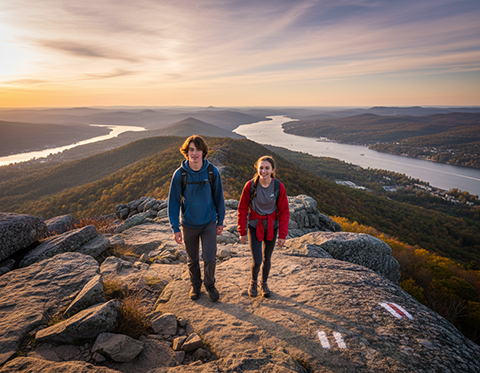
Breakneck Ridge (Hudson Highlands)

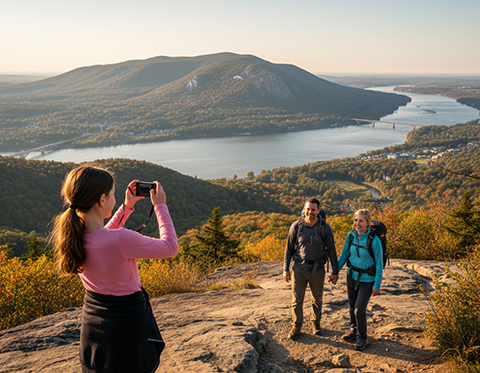
Nestled within the rugged beauty of the Breakneck Ridge, the Breakneck Ridge trail offers one of the most thrilling hikes in the Hudson Valley. Rising sharply above the eastern bank of the Hudson River, the trail is famous for its steep rock scrambles, panoramic overlooks, and dramatic cliffs. Hikers are immediately challenged by the ascent, using both hands and feet to climb over rocky ledges while surrounded by sweeping views of the river and nearby mountains. The intensity of the climb is balanced by the natural beauty of the landscape, making the trail a favorite destination for adventurous outdoor enthusiasts.
 Breakneck Ridge trail

As hikers gain elevation, the scenery becomes increasingly breathtaking. Dense forests of oak and maple trees line the ridges, while occasional clearings reveal expansive vistas of the Hudson Highlands stretching into the distance. During autumn, the trail becomes especially popular as vibrant red, orange, and yellow foliage transforms the mountainsides into a striking display of color. The combination of physical challenge and scenic reward creates a memorable experience that attracts both local hikers and visitors from across the region. Despite its popularity, moments of quiet solitude can still be found along the less crowded sections of the trail.

Beyond its natural beauty, Breakneck Ridge also carries a sense of history and connection to the surrounding region. The Hudson Highlands have long been admired for their dramatic terrain and strategic importance dating back to the Revolutionary War era. Today, the trail serves as both a recreational escape and a reminder of the enduring relationship between people and the natural landscape. Whether hikers come seeking exercise, photography opportunities, or simply a break from city life, Breakneck Ridge offers an unforgettable journey through one of New York’s most iconic outdoor destinations.

Cascade Mountain (Adirondack High Peaks)

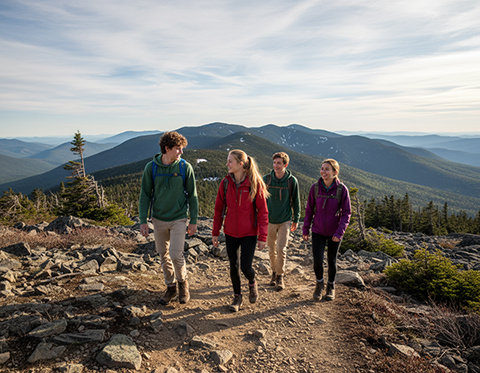
Hiking Cascade Mountain is often considered one of the best introductions to the rugged beauty of the Adirondack High Peaks region. Although it is one of the smaller High Peaks, Cascade Mountain still offers a rewarding challenge with steep sections, rocky terrain, and an elevation that provides spectacular views from the summit. The trail begins in a forest of evergreens and hardwoods, gradually climbing through shaded paths filled with roots, stones, and occasional streams. As hikers ascend higher, the trees begin to thin, revealing glimpses of the surrounding wilderness and building anticipation for the panoramic scenery at the top.
 Cascade Mountain

One of the most memorable aspects of the hike is the summit itself, where expansive views stretch across the Adirondack Mountains in every direction. From the exposed rocky peak, hikers can see neighboring summits such as Porter Mountain and distant ridges layered against the horizon. On clear days, the landscape appears endless, with lakes, forests, and mountain ranges creating a breathtaking natural panorama. The summit is often filled with hikers resting, taking photographs, and appreciating the accomplishment of reaching one of the region’s iconic peaks. The fresh mountain air and peaceful atmosphere make the climb feel especially rewarding.

Beyond its scenic appeal, Cascade Mountain represents the spirit of outdoor adventure that defines the Adirondacks. The trail attracts hikers of varying experience levels, from first-time climbers attempting their first High Peak to seasoned adventurers exploring the broader wilderness area. During autumn, vibrant foliage transforms the mountainsides into a patchwork of red, gold, and orange, while summer brings cool breezes and lush greenery. Regardless of the season, hiking Cascade Mountain offers a powerful connection to nature and a lasting appreciation for the wild beauty of the Adirondack High Peaks.

Kaaterskill Falls Trail (Catskills)

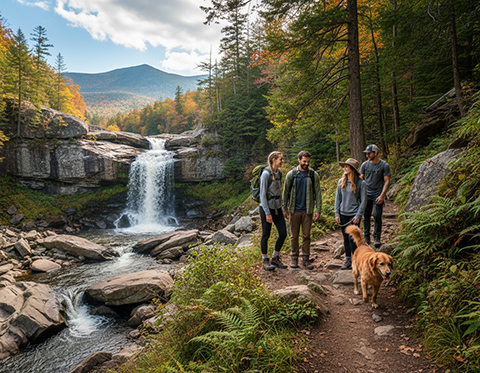
Hiking the Kaaterskill Falls Trail offers visitors a chance to experience one of the most iconic natural landmarks in the Catskills. Known for its dramatic two-tiered waterfall, Kaaterskill Falls plunges more than 260 feet through a rocky gorge surrounded by dense forest and towering cliffs. The trail itself is relatively short, but it includes steep stone staircases, uneven terrain, and scenic overlooks that make the journey both exciting and rewarding. From the very beginning of the hike, the sound of rushing water and the cool mountain air create a peaceful atmosphere that draws hikers deeper into the landscape.
Kaaterskill Falls Trail

As hikers approach the falls, the scenery becomes increasingly impressive. Moss-covered rocks, flowing streams, and thick woodlands give the trail a wild and timeless character. One of the most popular viewpoints overlooks the lower cascade, where water crashes into a clear pool below before continuing down the gorge. During spring and after heavy rain, the waterfall becomes especially powerful, filling the surrounding area with mist and thunderous sound. In autumn, vibrant foliage blankets the mountainsides in shades of red, orange, and gold, making the trail a favorite destination for photographers and nature lovers alike.

Beyond its natural beauty, Kaaterskill Falls also holds an important place in American art and history. The falls inspired many painters of the Hudson River School, whose landscape paintings helped popularize the Catskills as a destination for tourism and outdoor recreation. Today, hikers continue to visit the area to experience the same dramatic scenery that captivated artists and travelers nearly two centuries ago. Whether exploring the trail for adventure, relaxation, or inspiration, visitors to Kaaterskill Falls often leave with a deep appreciation for the beauty and cultural significance of the Catskill Mountains.

Mount Marcy (Adirondacks)

The hike to Mount Marcy is one of the most iconic backcountry adventures in the Adirondack Mountains and leads to the highest peak in New York State at 5,344 feet. Most hikers begin at the Adirondak Loj near Heart Lake and follow the Van Hoevenberg Trail, a long but rewarding route that winds through dense spruce and fir forests, crosses wooden bridges over mountain streams, and gradually climbs toward the alpine summit. The full round-trip journey is typically about 14 to 16 miles depending on side trips, making it a demanding full-day hike that requires preparation, endurance, and awareness of changing mountain weather conditions. Along the lower sections of the trail, hikers often encounter peaceful woodland scenery, moss-covered rocks, and occasional views of nearby peaks through the trees.
 Mount Marcy

As the trail climbs higher, the environment begins to change dramatically. The forest thins, the air becomes cooler, and exposed rock slabs start to dominate the terrain. Near the summit, hikers emerge above the tree line into a rare alpine ecosystem that is carefully protected due to its fragile vegetation. The panoramic views from the top are among the finest in the northeastern United States, stretching across the vast Adirondack wilderness with dozens of surrounding High Peaks visible in every direction. On clear days, hikers can see ridges rolling endlessly into the distance, with sparkling lakes and deep valleys below. The summit area often experiences strong winds and rapidly shifting weather, so even during summer many hikers carry extra layers and rain gear.

Hiking Mount Marcy is not only a physical challenge but also a memorable wilderness experience that gives visitors a sense of the scale and remoteness of the Adirondacks. Wildlife such as chipmunks, ravens, and occasionally deer may be spotted along the trail, while the sounds of flowing water and rustling evergreens create a peaceful mountain atmosphere. Many hikers choose to start before sunrise so they can return before dark, while others camp nearby and turn the hike into part of a longer backpacking trip through the High Peaks region. Whether visited during the colorful foliage of autumn, the green warmth of summer, or the snowy stillness of winter, Mount Marcy offers an unforgettable journey into one of the wildest and most scenic mountain landscapes in the eastern United States.

Bear Mountain Loop (Hudson Highlands)

Hiking the Bear Mountain Loop in the Hudson Highlands State Park is a classic Hudson Valley adventure that combines rugged mountain terrain, sweeping river views, and rich natural scenery. The loop typically begins near Bear Mountain State Park and follows sections of the Appalachian Trail along steep stone staircases and rocky ridges that climb high above the Hudson River. The trail is known for its impressive trail construction, with carefully placed stone steps built by trail crews to help hikers navigate the mountain’s steep slopes. As hikers gain elevation, views open across the Hudson Highlands, revealing forested mountains, distant ridges, and boats moving along the river far below.
 Bear Mountain Loop

One of the highlights of the Bear Mountain Loop is the constant variety of terrain and scenery along the route. Dense hardwood forests provide shade during the lower portions of the hike, while exposed rock ledges near the summit create excellent overlooks and resting spots. During autumn, the trail becomes especially popular as the surrounding hills erupt in brilliant shades of red, orange, and gold. Along the route, hikers may encounter sections of the famous Appalachian Trail, adding a sense of connection to the larger eastern hiking community that stretches from Georgia to Maine. Wildlife sightings can include hawks soaring overhead, squirrels gathering acorns, and deer moving quietly through the woods.

The Bear Mountain Loop offers a rewarding challenge for hikers seeking both exercise and scenic beauty close to New York City. Though not as remote as some wilderness hikes, the trail still provides a strong feeling of escape into nature, especially during quieter mornings or weekdays. Many hikers finish the loop with a visit to the Bear Mountain area’s picnic grounds, lakeside paths, or nearby scenic drives through the Hudson Highlands. Whether completed during the lush greenery of summer, the cool air of spring, or the colorful peak of fall foliage season, the Bear Mountain Loop remains one of the most memorable and accessible mountain hikes in the northeastern United States

Gorge Trail (Watkins Glen State Park)

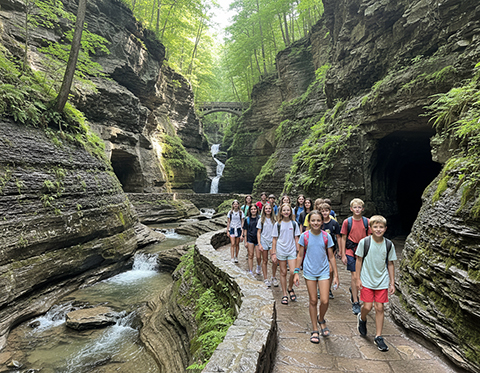
Hiking the Gorge Trail in Watkins Glen State Park is one of the most visually dramatic hiking experiences in the Finger Lakes region of New York. The trail follows a narrow gorge carved over thousands of years by Glen Creek, where water cascades through layered shale and sandstone cliffs to create a series of waterfalls, pools, and sculpted rock formations. Stone stairways and winding pathways carry hikers directly through the heart of the gorge, sometimes passing behind waterfalls and through tunnel-like rock passages. The constant sound of rushing water and the cool mist rising from the falls create a refreshing atmosphere that feels almost otherworldly during warm summer days.
Gorge Trail

One of the most memorable features of the Gorge Trail is the remarkable concentration of waterfalls packed into a relatively short distance. The trail passes dozens of cascades and scenic viewpoints, with famous highlights including Rainbow Falls and the Cavern Cascade, where hikers walk beneath flowing water as it spills over the rock above. Moss-covered walls, hanging ferns, and filtered sunlight give the gorge a lush and enchanted appearance that attracts photographers and nature lovers from around the world. Although the trail is not extremely long, the many stone steps and elevation changes provide a moderate workout while still remaining accessible to a wide variety of visitors.

The Gorge Trail offers an unforgettable combination of natural beauty, geology, and engineering. Carefully built stone bridges, railings, and staircases blend into the gorge while allowing hikers to safely explore areas that would otherwise be inaccessible. During autumn, colorful leaves contrast beautifully with the dark stone and white waterfalls, while spring runoff often makes the cascades especially powerful. Because of its popularity, the trail can become busy during peak tourist seasons, but early mornings and weekdays often provide a quieter experience. Whether visited as a casual scenic walk or as part of a longer exploration of the Finger Lakes region, the Gorge Trail remains one of the most iconic and breathtaking hikes in the northeastern United States.

Overlook Mountain (Catskills)

Hiking Overlook Mountain in the Catskills is a rewarding adventure that combines mountain scenery, fascinating history, and sweeping views of the Hudson Valley. The hike begins on a wide gravel road that steadily climbs through dense forest toward the summit, making it more gradual than many rugged Catskill trails while still providing a solid workout. Along the way, hikers pass the haunting ruins of the old Overlook Mountain House, a massive hotel that once attracted wealthy visitors during the grand resort era of the Catskills. The crumbling stone walls, staircases, and foundations surrounded by trees create an eerie but beautiful atmosphere that gives the hike a unique historical character.
Overlook Mountain trail

As the trail continues higher, the forest occasionally opens to reveal glimpses of the surrounding mountains and valleys. Near the summit, hikers reach a fire tower that offers one of the best panoramic viewpoints in the Catskills. From the top, expansive views stretch across the Hudson River Valley, the rolling Catskill peaks, and nearby towns such as Woodstock far below. On especially clear days, distant ridges seem to fade endlessly into the horizon. The summit area often feels cooler and windier than the trail below, providing a refreshing break during warm-weather hikes. Many visitors take time to relax near the tower, enjoy a meal, and photograph the dramatic landscape before beginning the descent.

One of the most appealing aspects of hiking Overlook Mountain is the combination of accessibility and wilderness atmosphere. The trail is popular with hikers of many skill levels because the road-like path is easier to follow than some steep Catskill scrambles, yet the scenery still feels rugged and remote. Wildlife such as chipmunks, songbirds, and occasionally black bears inhabit the surrounding forest, reminding hikers that the Catskills remain a largely wild mountain region. During autumn, the mountain becomes especially stunning as brilliant fall foliage covers the valleys below in shades of red, orange, and gold. Whether visited for its history, scenic views, or peaceful mountain environment, Overlook Mountain remains one of the most memorable hikes in the Catskill Mountains.

Devil’s Path (Catskills)

Hiking the Devil's Path in the Catskills is considered one of the toughest and most legendary hiking experiences in the eastern United States. Stretching roughly 24 miles across the rugged Catskill Mountains, the trail climbs and descends several major peaks in rapid succession, including Indian Head, Twin, Sugarloaf, Plateau, and West Kill Mountains. The constant elevation changes, steep rock scrambles, and demanding terrain have earned the route its intimidating name. Unlike gentler mountain trails that gradually gain elevation, the Devil’s Path repeatedly forces hikers into exhausting ascents and descents that challenge both endurance and balance. Many hikers choose to tackle the trail over multiple days, while experienced backpackers sometimes attempt the full traverse in a single long effort.
Devil’s Path

The scenery along the Devil’s Path is spectacular and constantly changing. Dense hardwood forests cover much of the route, providing shade and a feeling of deep wilderness, while exposed ledges reveal dramatic views across the Catskill range. Several overlooks offer sweeping panoramas of valleys, ridges, and distant mountain peaks that seem to roll endlessly across southeastern New York. The trail’s rugged nature creates a strong sense of adventure, with hikers climbing over roots, boulders, and rocky outcrops that require careful footing and concentration. During autumn, the Devil’s Path becomes especially breathtaking as the mountains are covered in brilliant fall foliage, transforming the entire landscape into a sea of red, gold, and orange.

What makes the Devil’s Path so memorable is not only its physical difficulty but also the feeling of accomplishment it gives to those who complete it. The trail demands preparation, fitness, and respect for mountain conditions, especially during wet weather when steep rock sections can become slippery and dangerous. Water sources can be limited on some stretches, so careful planning is important for backpackers and long-distance hikers. Despite its challenges, the trail has become a rite of passage for serious hikers in the Northeast and is often compared to some of the toughest sections of the Appalachian Trail. Whether completed in sections or as a full traverse, the Devil’s Path offers an unforgettable journey through some of the wildest and most rugged terrain in the Catskill Mountains.

Letchworth State Park – Gorge Trail

Hiking the Gorge Trail in Letchworth State Park offers one of the most spectacular canyon and waterfall experiences in the eastern United States. Often called the “Grand Canyon of the East,” Letchworth features a massive gorge carved by the Genesee River, with towering cliffs rising dramatically above the water below. The Gorge Trail follows the rim of this immense canyon and provides frequent overlooks of the river, forested slopes, and several impressive waterfalls. The most famous sights along the route are the park’s Upper, Middle, and Lower Falls, where powerful cascades plunge through layers of rock beneath the towering railroad bridge that crosses high above the gorge.
 Letchworth State Park Gorge Trail

One of the greatest attractions of the Gorge Trail is the constant variety of scenic viewpoints and natural features. The trail alternates between wooded sections shaded by hardwood trees and open overlooks where hikers can gaze deep into the canyon below. Stone staircases and pathways lead to observation points that allow visitors to experience the waterfalls from multiple angles, each offering a slightly different perspective of the rushing water and dramatic cliffs. During autumn, the park becomes especially breathtaking as colorful fall foliage blankets the gorge in vivid shades of red, orange, and yellow. The sound of roaring waterfalls combined with cool mist rising from the river creates a refreshing atmosphere that makes the hike memorable in every season.

Although much of the Gorge Trail is considered accessible for casual hikers, the length of the park and the numerous stair climbs can still provide a satisfying day of exploration. Wildlife such as deer, hawks, and songbirds are commonly seen throughout the park, while picnic areas and scenic rest stops make it easy to spend an entire day enjoying the landscape. The combination of waterfalls, dramatic geology, and panoramic canyon views has made Letchworth one of New York’s most beloved outdoor destinations. Whether hikers come for photography, sightseeing, or a peaceful walk through nature, the Gorge Trail delivers a stunning experience that showcases the raw beauty of the Genesee River gorge.

Indian Head and Rainbow Falls (Adirondacks – Ausable Club area)

Hiking the Indian Head and Rainbow Falls trail in the Adirondack High Peaks near the Ausable Club area is one of the most scenic and photographed adventures in the Adirondacks. The hike typically begins along the private access road near the Ausable Club, where hikers walk through a peaceful valley surrounded by towering mountains and dense forest. After leaving the road, the trail climbs steadily through hardwood and evergreen woods toward Indian Head, a dramatic rocky overlook perched high above Lower Ausable Lake. The ascent becomes steeper near the viewpoint, but the reward is extraordinary. From the cliffs of Indian Head, hikers are treated to one of the most iconic views in the Adirondacks, with the narrow lake stretching between steep mountain walls far below.
 Rainbow Falls

After enjoying the panoramic views from Indian Head, many hikers continue to nearby Rainbow Falls, one of the most beautiful waterfalls in the region. The trail descends through mossy forest terrain before reaching the roaring cascade, where water tumbles powerfully through a rocky gorge surrounded by towering cliffs and thick vegetation. On sunny days, mist rising from the falls often creates small rainbows that give the waterfall its name. Wooden bridges, stone steps, and scenic viewpoints along the trail make the route feel adventurous while still allowing hikers to safely explore the rugged terrain. The combination of towering cliffs, flowing water, and forest scenery gives this area a wild and dramatic atmosphere that captures the beauty of the Adirondack wilderness.

What makes the Indian Head and Rainbow Falls hike especially memorable is the balance between relatively moderate hiking and world-class scenery. The trail is challenging enough to feel rewarding without requiring the extreme elevation gains found on some of the Adirondack High Peaks. During autumn, the surrounding mountains explode with brilliant fall colors that reflect beautifully on the waters of Lower Ausable Lake, making the area especially popular with photographers. Wildlife such as ravens, chipmunks, and deer are often seen along the route, while the quiet forest sections provide moments of solitude between major viewpoints. Whether visited for the famous overlook, the impressive waterfall, or the peaceful mountain atmosphere, the Indian Head and Rainbow Falls trail remains one of the premier hiking experiences in the Adirondacks.